
Unbreakable Trust: Building People-Powered Organizations
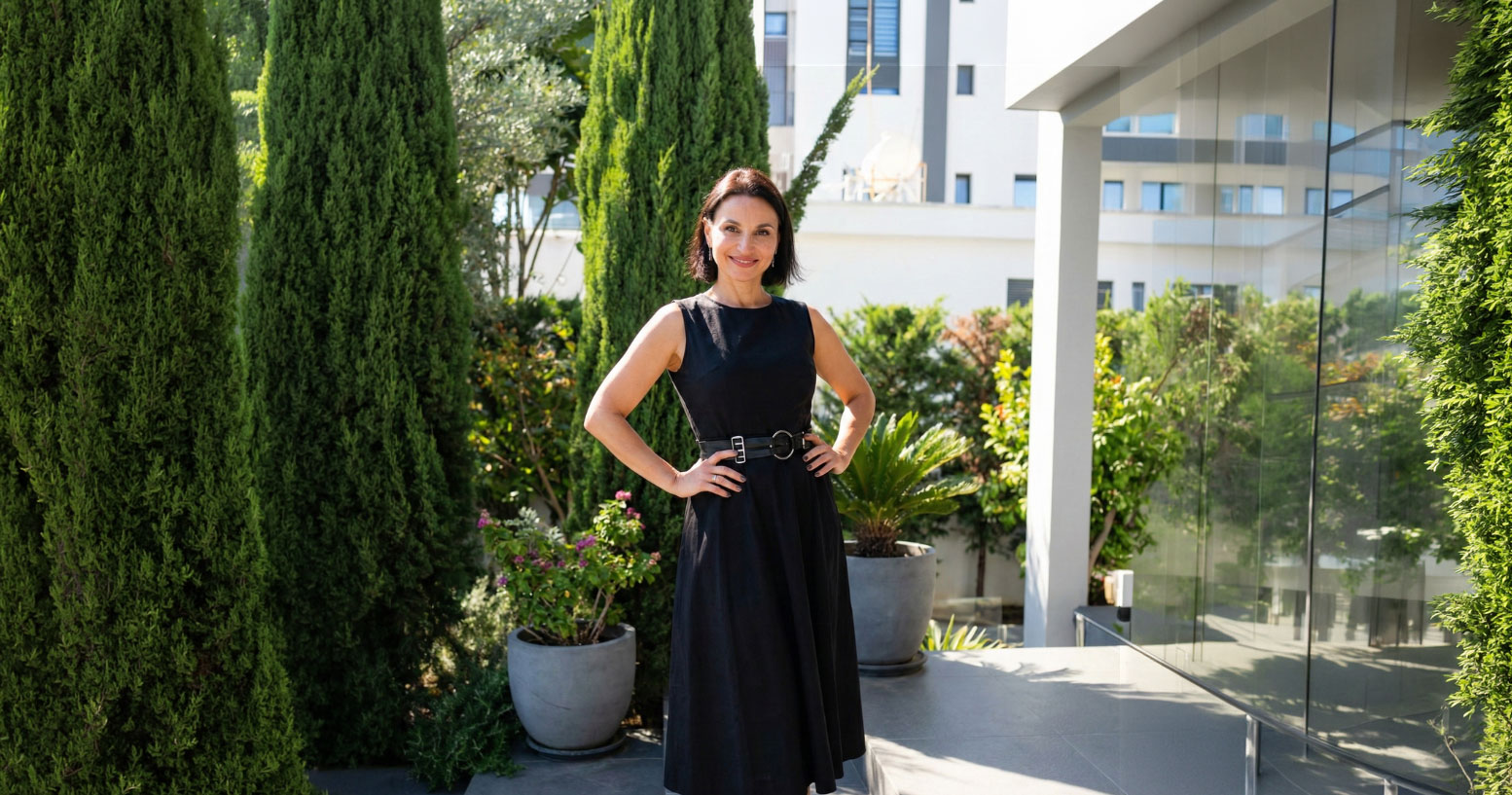
Interview with Eleni Aslani | Founder & CEO, Growth People Pro
In an era where AI and automation are reshaping the workplace, one voice is championing the power of people: Eleni Aslani. As the founder of Growth People Pro, she’s redefining what it means to lead in the modern business landscape. For Eleni, the future isn’t about managing tasks, it’s about unlocking human potential.
In this exclusive interview, she shares how organizations can thrive by prioritizing trust, empathy, and psychological safety, why conscious leadership is the ultimate strategic advantage, and how moving from transactional management to transformational leadership can turn culture into growth. Eleni reveals the emerging trends, the unspoken barriers holding companies back, and the mindset shifts that are shaping the next decade of business success.
Get ready to discover why people-powered organizations don’t just survive, they set the standard.
You’ve described Growth People Pro as a movement toward “people-powered” organizations. How do you see this approach reshaping the business landscape in the next decade?
AI and automation will keep replacing routine work – but they cannot replace human clarity, connection, and emotional intelligence. The real competitive advantage will come from organizations that don’t just use people well but understand them deeply.
We’re shifting from “workforce management” to “human experience design.” In this model, performance isn’t pushed – it’s unlocked. The organizations that invest in trust, autonomy, and psychological safety will not only grow faster, they’ll grow smarter. They’ll retain talent, foster innovation, and build cultures that can adapt without burning out.
People-powered organizations won’t just survive change – they’ll set the standard for it.
In today’s competitive economy, how can companies balance efficiency and productivity with empathy and human connection?
By finally understanding that empathy and efficiency are not opponents – they are accelerators of one another.
Efficiency is not about speed; it’s about clarity and focus. Automate the repetitive but protect the relational. A 15-minute honest conversation can save six weeks of misalignment. Listening deeply can prevent costly turnover.
Research is clear: teams that experience empathy perform better, burn out less, and solve problems faster. Connection isn’t a detour from productivity – it’s the engine of it.
You’ve worked across both corporate banking and fintech — two industries often known for high pressure and structure. What lessons from those environments now inform your human-centered leadership philosophy?
Banking taught me the power of structure and accountability. Fintech taught me agility and experimentation. But both taught me one core truth – pressure without clarity collapses people.
The best-performing teams weren’t always the smartest; they were the most aligned – clear on purpose, trusted to contribute, and empowered to own outcomes. Systems can be powerful, but only humans can make them work.
What role do you believe conscious leadership plays in driving business growth and long-term sustainability?
Conscious leadership turns culture into a strategic advantage.
It’s not about perfection – it’s about presence. Leaders who understand how their energy, decisions, and behavior ripple through the system build organizations that are resilient instead of reactive.
They don’t just talk about values – they live them. They don’t just manage results; they shape environments where results are possible. Conscious leadership isn’t soft – it’s strategic.
How do you guide executives and HR leaders to move from transactional management to transformational leadership?
I ask one simple question: ‘Are you developing people or just distributing tasks?’
We then move from control to curiosity. Instead of giving answers, leaders learn to hold space, ask better questions, and co-create solutions. Transformation doesn’t happen through systems; it happens through people, through everyday moments – real conversations, thoughtful feedback, and leaders who model the behavior they expect.
You can’t delegate transformation. You have to embody it.
Many organizations speak about valuing their people, yet employee disengagement remains high. Where do you think most businesses are still getting it wrong?
Employees always know the truth behind the words. Some companies over-invest in promotion or perks and under-invest in presence. You can’t fix cultural issues with free meals, corporate events, or slogans everywhere.
People disengage when they feel unseen, underused, or unheard. Real engagement comes from meaningful work, authentic recognition, psychological safety, and leaders who actively support and challenge their teams on a daily basis, not once a year during performance review. Organizations must stop declaring values and start practicing them consistently.
What are some emerging global trends in people management and employee experience that forward-thinking companies should pay attention to?
We’re moving from Employee Experience (EX) to Human Experience (HX) – integrating purpose, wellbeing, energy, and growth.
Other key trends:
- Coaching cultures replacing command-and-control.
- Skills-based organizations where people grow through fluid roles, not static job descriptions.
- Energy management is becoming as important as time management.
- AI people analytics tracking well-being and alignment — not just KPIs
The future belongs to companies that make work meaningful — not just manageable.
When you consult with leadership teams, what’s one question you always ask to uncover the real barriers to growth or alignment?
What are you avoiding talking about?
The unspoken issues often hold more power than any strategy. The real problems are almost always under the table – in the tensions, assumptions, and fears people don’t name.
Once the unspoken becomes spoken, alignment, creativity, and real progress finally start.
The phrase “transformation starts from within” is at the heart of your work. How do you help leaders cultivate self-awareness as a business advantage?
Self-awareness isn’t just reflective – it’s operational.
Leaders who understand their triggers, patterns, and blind spots make faster, cleaner decisions. They build trust, model composure, and lead with authenticity – which attracts loyalty far more than authority ever could.
We help leaders move from reacting to responding – and that difference transforms the entire system.
Looking ahead, what’s your vision for Growth People Pro’s next chapter — and how do you plan to expand your impact on the international stage?
By moving thoughtfully – one step, one leader, one organization at a time.
Growth People Pro’s mission is to make human-centered growth the global standard, not a corporate trend.
Our next chapter focuses on strategic collaborations, cross-cultural leadership labs, and transformation projects designed to scale not just processes, but people.
Because when people grow, businesses grow.
And when businesses grow with humanity, the impact is exponential.
Alternatively, you can view the web version at London Business Magazine website